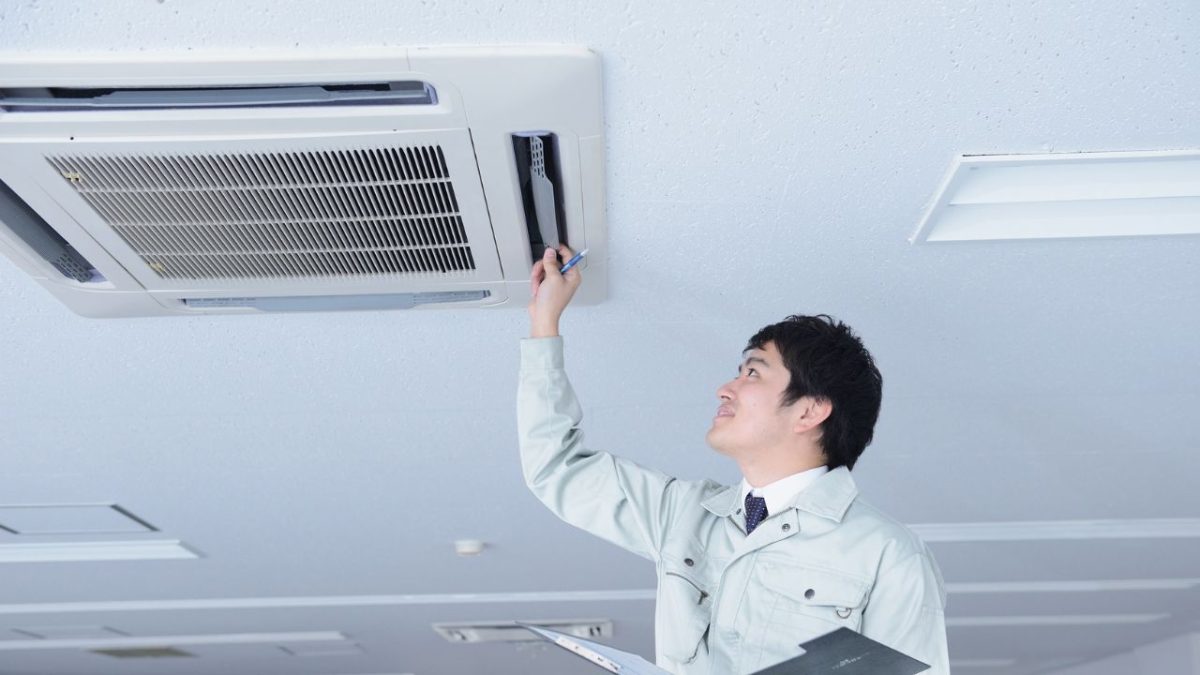
Somewhere in your business, there’s probably a maintenance schedule. Maybe it’s a spreadsheet created after an expensive breakdown. Maybe it’s a wall chart from a compliance push three years ago. Maybe it’s a system your facilities manager swears exists but nobody else has seen. Whatever form it takes, there’s a decent chance it’s not being followed.
This isn’t a criticism. It’s a pattern. Most preventive maintenance programmes start with good intentions and gradually erode under operational pressure. The quarterly check becomes biannual. The biannual check becomes ‘when we get around to it.’ Eventually the programme exists only as evidence that someone once cared, not as a living system that prevents problems.
The challenge isn’t understanding that maintenance matters. Everyone knows that. The challenge is building something that survives contact with the reality of running a business. The Health and Safety Authority expects employers to maintain equipment and systems properly, so this is a compliance issue as well as an operational one. But compliance alone rarely motivates the sustained attention that effective maintenance requires.
Starting With What Actually Breaks
Many maintenance programmes fail because they’re built around the wrong information. Manufacturer recommendations. Generic industry schedules. Whatever the previous facilities manager did. These aren’t bad starting points, but they’re not your reality.
A piece of equipment running eight hours a day in a dusty warehouse has different needs than the same equipment running four hours a day in a climate-controlled office. The manufacturer’s schedule assumes average conditions. Your conditions aren’t average. They’re yours.
Before designing anything, audit your actual history. What has broken? What caused downtime? What cost money to fix? This data might be scattered across invoices, memory, and incident reports, but it’s more valuable than any template. For operations wanting to move beyond reactive approaches, equipping your team with proper diagnostic tools makes a significant difference. Testers.ie’s range of Fluke products gives maintenance personnel the instruments to identify developing problems before they become failures, turning guesswork into data.
The goal is a programme shaped by your operational reality, not someone else’s assumptions about what that reality might be.
The People Problem
Schedules don’t maintain themselves. Someone has to notice a check is due. Someone has to do it. Someone has to record that it happened. In many SMEs, these responsibilities land on people whose primary job is something else entirely. The maintenance check competes with customer demands, production targets, and the general chaos of Tuesday afternoon.
Guess which wins.
This isn’t a failing of character. It’s a design problem. If your maintenance programme relies on busy people remembering to do extra tasks during their spare capacity, you’ve built a system that depends on spare capacity existing. In most businesses, it doesn’t.
The alternatives aren’t complicated, but they require explicit choices. Assign clear ownership, not vague responsibility. Build maintenance into job descriptions rather than treating it as additional work that somehow fits around everything else. Consider external contractors for critical systems, people who will chase you for access because it’s their job to complete the work, not your team’s job to remember it needs doing.
Whatever approach you choose, design for how people actually behave under pressure, not how you’d like them to behave in an ideal world.
Matching Sophistication to Stakes
Maintenance programmes exist on a spectrum. At one end, simple calendar-based schedules: check this equipment every month, service that system every quarter. At the other end, condition-based monitoring with sensors, analytics, and predictive algorithms. Most businesses need something in between, but where exactly?
The answer depends on what failure costs. For equipment where breakdown means minor inconvenience, basic time-based maintenance is probably fine. For systems where failure stops production, endangers safety, or triggers regulatory problems, investing in more sophisticated approaches makes sense.
The mistake many businesses make is over-engineering their programmes. They adopt complex systems requiring data entry, analysis capabilities, and ongoing attention they don’t have the resources to sustain. Six months later, the sophisticated system has collapsed into the same informal approach they started with, just with more guilt attached.
Start simpler than you think you need. A programme you’ll actually follow beats an ambitious one you’ll abandon. You can always add sophistication later as capacity develops.
Documentation That Actually Gets Used
Maintenance documentation serves multiple purposes. It’s evidence for insurance claims and regulatory inspections. It’s institutional memory that survives staff turnover. It’s data for spotting patterns: equipment that fails repeatedly despite maintenance, or maintenance routines that don’t actually prevent the problems they’re supposed to.
But documentation only works if it happens. A comprehensive form that nobody fills in is worthless. A simple log that gets used consistently is valuable.
Aim for minimal viable documentation. What was checked. When. By whom. What was found. What was done. That’s often enough. Resist the temptation to capture everything; capture what matters and what people will realistically record. This connects to broader approaches to operational data. Designing energy monitoring systems follows similar principles: systematic data collection that supports decisions rather than just generating numbers.
Building In the Feedback Loop
A maintenance programme designed once and never revised will drift out of alignment with reality. Equipment ages. Usage patterns shift. New problems emerge that the original schedule didn’t anticipate. Without mechanisms for adaptation, even good programmes become irrelevant.
Build in explicit review points. Quarterly, perhaps, or after any significant failure. Ask what’s working, what isn’t, what’s changed since the programme was last updated. Create channels for maintenance staff to flag problems with the schedule: checks that seem pointless, intervals that feel wrong, equipment that needs attention more or less frequently than planned. The Safety, Health and Welfare at Work Act requires ongoing risk assessment, which aligns naturally with this principle of continuous review.
Track whether your maintenance actually prevents failures. If equipment keeps breaking despite regular servicing, either the maintenance isn’t addressing the real problem or the intervals are wrong. Data beats assumptions.
The First Ninety Days
If you’re starting from scratch, or resetting a programme that’s collapsed, don’t try to build the perfect system immediately. That’s a recipe for overwhelm and eventual abandonment.
Start with the equipment that matters most. What would hurt if it failed tomorrow? Your server room cooling. Your production line’s critical components. Your fire safety systems. Build a simple, sustainable routine around those assets first. Prove the concept works before expanding.
Set a review date. Ninety days is long enough to see whether the routine is sticking, short enough to course-correct before bad habits solidify. At that review, assess honestly: what’s working, what’s being skipped, what needs adjustment?
Then expand. Add the next tier of equipment. Refine the documentation. Consider whether more sophisticated monitoring makes sense for high-stakes systems. Grow the programme incrementally rather than launching it complete.
The goal isn’t perfection. It’s a programme that’s better than what you have now, and that keeps improving. Sustainable beats ambitious. Consistent beats comprehensive. A maintenance programme that actually works is worth more than an impressive one that doesn’t.